
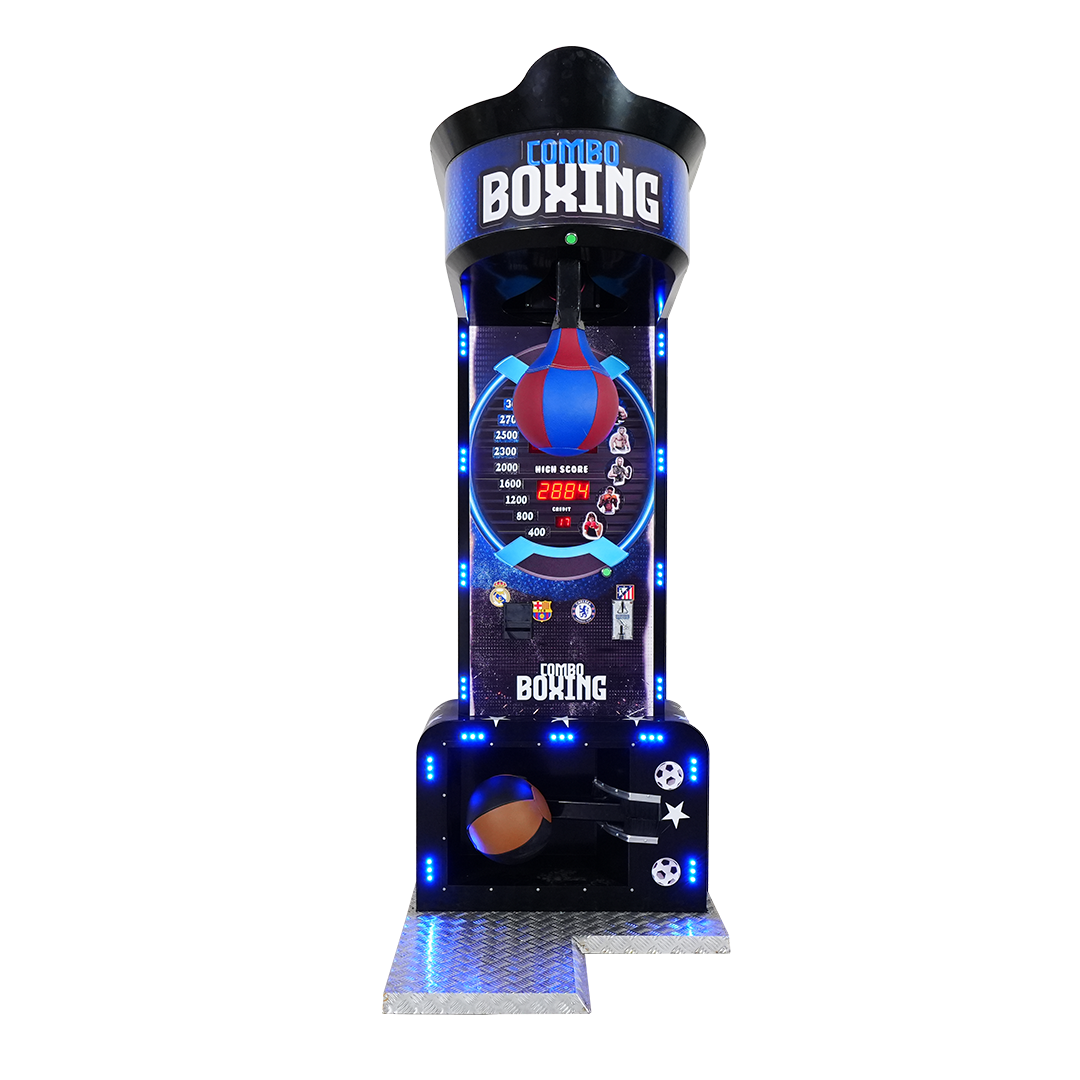


In today’s competitive arcade and fitness industries, boxing machine maintenance stands out as a critical factor in safeguarding both equipment investment and customer satisfaction. Well-maintained boxing machines not only deliver consistent performance but also minimize costly downtime, ensuring uninterrupted revenue streams for business owners. Neglecting routine care can lead to unexpected breakdowns, expensive repairs, and rapid depreciation of your equipment, ultimately impacting your brand’s reputation and profitability. By implementing a proactive maintenance strategy, you can significantly extend your boxing machine’s lifespan and ensure safe, enjoyable use for every player.
This comprehensive guide explores all aspects of boxing machine maintenance, from identifying the most common causes of malfunction to establishing daily, weekly, and periodic servicing routines. You’ll learn practical steps such as inspecting and cleaning punching sensors, lubricating moving parts, and troubleshooting scoring or payment system errors. Whether you operate an arcade, gym, or entertainment venue, mastering these essential maintenance practices will help you boost user satisfaction, reduce long-term ownership costs, and increase your machine’s resale value. Dive in for expert-backed tips and actionable checklists that keep your boxing machines in peak condition year-round.
Best Product Pugato Punching Machine Offer Now

Boxing Machine Maintenance: Definition and Importance
Boxing machine maintenance forms the foundation of successful arcade and fitness equipment operations. Proper care ensures these machines deliver consistent performance while protecting your investment from premature wear and costly breakdowns. Regular maintenance maximizes equipment lifespan, reduces unexpected downtime, and keeps ownership expenses predictable and manageable.
Proactive maintenance strategies minimize repair costs and enhance user satisfaction, building trust among customers in arcade or gym environments. Well-maintained boxing machines support uninterrupted revenue generation for business owners while maintaining their resale value over time. Consistent servicing reduces the risk of sudden equipment failures that can disrupt operations and frustrate users.
What Is Professional Boxing Machine Maintenance?
Professional boxing machine maintenance encompasses systematic inspections, cleaning, lubrication, and component replacement performed by trained technicians. Industry experts recommend following manufacturer guidelines and using certified parts to maintain warranty coverage and ensure reliable operation.
Expert servicing goes beyond surface cleaning to include comprehensive sensor diagnostics and electrical safety tests using specialized equipment. Routine professional checks identify hidden wear patterns before they develop into expensive breakdowns, ensuring optimal calibration of scoring systems and impact sensors. Professional maintenance records provide documented history that supports insurance claims and regulatory compliance requirements.
Financial Benefits of Regular Equipment Servicing
Regular servicing delivers substantial financial advantages by detecting issues early and avoiding expensive emergency repairs. Well-maintained machines consume less energy and require fewer parts replacements, contributing to significant long-term savings for operators.
Preventive care reduces the likelihood of major component failures that could trigger costly machine replacements. Maintained equipment commands higher lease or resale prices, increasing return on investment for operators. Regular maintenance boosts uptime and user throughput, translating directly to increased revenue generation for venue owners.
Safety Standards and Liability Considerations
Adhering to safety protocols during maintenance reduces accident risks and ensures compliance with local regulations. Regular inspections and proper documentation validate insurance coverage while reducing liability exposure for business owners.
Cleaning and inspecting high-contact areas limits hygiene risks and helps venues meet public health standards in shared environments. Up-to-date maintenance helps detect electrical hazards, protecting users from potential shock or fire risks. Training staff on proper servicing procedures reduces injury risks to both workers and patrons, safeguarding business reputation.
Impact on Machine Performance and User Experience
Frequent maintenance keeps sensors and impact pads responsive, ensuring accurate scoring and realistic feedback for users. Clean and fully functional machines improve customer satisfaction, encouraging repeat visits and generating positive reviews for venues.
Optimal maintenance prevents system lag and malfunctions, providing smooth gameplay while minimizing user frustration. Industry reports indicate that properly serviced boxing machines perform more consistently and withstand heavy usage cycles effectively. Investing in performance checks and upgrades can differentiate venues through superior gaming experiences and enhanced equipment reliability.
Common Causes of Boxing Machine Malfunction
Boxing machine maintenance becomes essential when understanding the various factors that can lead to equipment failure. Environmental conditions, usage intensity, electrical problems, and mechanical wear represent the primary causes of malfunction in commercial boxing machines. Identifying these issues early prevents costly repairs and extends equipment lifespan significantly.
Environmental Factors Affecting Machine Components
Environmental conditions play a significant role in boxing machine deterioration. High humidity levels encourage corrosion and rust formation on metal components, which directly reduces operational efficiency and compromises the machine’s structural integrity.
Dust accumulation presents another major challenge for machine operators. Excessive dust particles can clog air vents and interfere with sensor functionality, leading to inaccurate scoring systems or complete system errors. Temperature fluctuations cause materials to expand and contract repeatedly, resulting in component misalignment and reduced precision.
Direct sunlight exposure damages LCD displays through fading and can cause overheating issues that lead to premature electronics failure. Machines positioned in damp or poorly ventilated areas attract mold growth and require more frequent maintenance interventions. Professional technicians recommend placing equipment away from moisture-prone environments to minimize these risks.
Wear and Tear from Heavy Usage Patterns
Frequent operation accelerates component breakdown in high-traffic venues. High-impact usage patterns cause rapid deterioration of cushioning materials and protective bags, which undermines equipment safety and user experience quality.
Regular operation leads to actuator fatigue, decreasing hit accuracy measurements and increasing operational downtime. Continuous coin mechanism cycling places stress on internal motors and frequently results in mechanical jams that disrupt service.
High-traffic locations experience increased scoring inaccuracies due to repetitive sensor impact damage. Usage analytics indicate that machines in busy venues require additional inspection schedules and more frequent replacement of wearable components to prevent costly malfunctions.
Electrical System Failures and Power Issues
Electrical problems represent a leading cause of boxing machine failures. Loose connections and deteriorated wiring may result in intermittent power loss or unexpected system reboots that frustrate users and reduce revenue generation.
Voltage irregularities can cause permanent circuit board damage, rendering machines completely unresponsive until professional repair services replace damaged components. Overloaded electrical outlets or power surge events frequently short out protective fuses, halting machine operation entirely.
Faulty power supply units are responsible for unexpected shutdowns and error code displays. Regular electrical inspections by certified professionals minimize these risks and extend system longevity. Installing surge protection devices helps safeguard sensitive electronics against power-related damage.
Mechanical Component Degradation Over Time
Mechanical wear occurs gradually through normal operation cycles. Bolt and fastener loosening leads to excessive vibration and structural instability that affects measurement accuracy and user safety.
Lubricant breakdown in moving parts increases friction levels, resulting in noisy operation or jerky movements that detract from the user experience. Spring fatigue decreases impact pad responsiveness, affecting scoring accuracy and player satisfaction rates.
Undetected cracks in polycarbonate protective shields compromise user safety during extended operation periods. Routine mechanical assessments help detect and correct hidden faults before complete failure occurs. Maintenance specialists recommend scheduling comprehensive overhauls annually for frequently used machines to address these gradual degradation issues effectively.
Essential Daily and Weekly Boxing Machine Maintenance Tasks
Implementing a structured routine for boxing machine maintenance extends equipment lifespan while ensuring safe operation for all users. Regular maintenance minimizes unexpected breakdowns by addressing common wear areas with consistent care and attention. Proactive maintenance safeguards machine accuracy and user satisfaction while monitoring key performance indicators. Planned daily and weekly interventions for crucial components reduce long-term repair costs significantly. Maintaining compliance with manufacturer guidelines protects warranty coverage and preserves optimal machinery value.
Daily Visual Inspection and Safety Checks
Start each day by surveying surfaces, frames, and sensors for visible damage or excessive wear before opening for user sessions. Verify stability and secure attachments throughout the machine structure while checking for loose electrical wiring that could present fire risks or injury hazards. All error messages or sensor alerts require prompt logging and escalation to technical staff for proper assessment.
Confirm punch pad alignment and firmness during daily checks, as misalignment directly affects scoring accuracy and overall user experience. Pay attention to any unusual sounds, vibrations, or visual indicators that might signal developing problems. Using a standardized checklist streamlines daily inspections and guarantees comprehensive coverage of all safety points.
Weekly Deep Cleaning Procedures
Vacuum internal chambers thoroughly and wipe down external panels with non-abrasive solutions to prevent dirt buildup that can interfere with mechanical operations. Disinfect punch pads and handles to eliminate bacteria and maintain hygienic conditions for every participant using the equipment.
Clean coin mechanisms and ticket dispensers carefully, as dust and debris significantly impact transaction success rates and user satisfaction. Always consult manufacturer maintenance protocols for safe application of cleaning agents and recommended cleaning intervals. Document before-and-after photos in a cleaning log for performance tracking and accountability purposes.
Lubrication Schedule for Moving Parts
Apply manufacturer-approved lubricants to arms, springs, and joints every week to reduce mechanical friction and prevent premature wear. Monitor oil levels and grease consistency regularly, adjusting the schedule based on actual usage frequency and daily play volume patterns.
Record all lubrication activities to spot wear trends and anticipate potential failures in heavily-used areas before they become costly problems. Follow dose and interval instructions strictly to prevent over-lubrication that may attract dirt or cause unwanted residue buildup. High-quality synthetic lubricants work best for arcade-grade boxing machines to maximize component longevity.
Documentation and Maintenance Log Management
Maintain a digital record of inspections, cleaning, and repairs for each boxing machine on site to track performance patterns and maintenance needs. Include entry dates, service technician details, and part replacements for compliance verification and warranty validation requirements.
Analyze maintenance logs monthly to identify recurring problems and optimize preventive measures before issues escalate. Keep digital backups of all maintenance records to streamline audits and protect against data loss. Cloud-based maintenance software provides quick access and enables real-time updates of complete service history for improved efficiency.
How to Inspect and Clean Punching Sensors and Impact Pads
Effective boxing machine maintenance requires systematic attention to sensors and impact surfaces. Regular inspection schedules maximize equipment reliability while reducing costly downtime. Following manufacturer guidelines ensures accurate assessment of both sensor functionality and pad conditions. Using recommended tools and cleaning agents prevents damage while extending component lifespan.
Documenting all maintenance activities helps track recurring issues and provides valuable evidence for warranty claims. Staff training on inspection routines, proper cleaning techniques, and basic troubleshooting enables consistent day-to-day machine upkeep.
Step-by-Step Sensor Calibration Process
Power off the machine completely before accessing sensitive internal sensors to prevent accidental system damage. Consult the manufacturer’s calibration sheet for precise values specific to your boxing machine model. Factory-approved diagnostic tools verify sensor responsiveness and measurement accuracy effectively.
Log calibration dates and readings for future reference while complying with audit requirements. When inconsistencies arise, adjust settings according to manual specifications. Schedule expert intervention for advanced recalibration needs that exceed basic maintenance capabilities.
Proper Cleaning Techniques for Impact Surfaces
Wipe down impact pads daily using antibacterial, non-abrasive cleaners to maintain hygiene and material integrity. Remove embedded dirt with soft microfiber cloths while avoiding solvents that degrade synthetic surfaces. Regular inspection for wear, tearing, or hardening helps identify issues requiring prompt pad replacement.
Disinfect high-contact areas after every busy session to reduce transmission risks and ensure customer safety. Rotate pads periodically when possible to achieve even usage patterns and slower overall wear rates.
Identifying Sensor Alignment Issues
Monitor punching scores for irregularities, as fluctuating results often signal sensor misalignment or malfunction. Visual checks of sensor mounts and calibration brackets reveal looseness or displaced components. The manufacturer’s diagnostic mode tests active sensor readings against baseline expected values.
Address alignment issues promptly with proper manual adjustments using precision tools where necessary. Document all corrections performed and re-test the machine to guarantee restored accuracy and optimal user satisfaction.
Protective Coating Application and Replacement
Apply protective coatings recommended by machine manufacturers to shield pads from sweat, abrasion, and repeated impacts. Regularly assess coating integrity by examining wear patterns, peeling, or residue that affects pad sensitivity. Schedule coating replacement according to usage frequency and visible wear patterns to maintain pad longevity.
Select coatings compliant with industry standards for safety, durability, and ease of cleaning. Keep replacement materials in stock to avoid operational delays and maintain consistent pad performance throughout peak usage periods.
Troubleshooting Common Boxing Machine Problems
Effective boxing machine maintenance requires systematic problem identification and resolution. Typical issues such as sensor misreads, payment errors, and software hiccups can minimize downtime and repair costs when addressed promptly. Routine monitoring and logging of machine errors help spot recurring problems before they escalate into major failures.
Employing diagnostic tools recommended by manufacturers ensures accurate fault assessment and protects equipment value. Reviewing user feedback and incident logs provides valuable insight into malfunctions and assists targeted troubleshooting efforts. Scheduling periodic self-tests and checkups maintains optimal performance and reduces unexpected breakdowns.
Diagnosing Score Display and Software Glitches
Display connections and software updates require regular checking to prevent inaccurate scoring and frozen screens. Loose wiring or faulty PCBs can be inspected using a multimeter alongside reference technical documentation for accurate diagnosis.
Manufacturer-recommended error codes and diagnostic menus enable fast identification of system malfunctions. After major errors occur, system reboots should be performed while software incidents get logged for future analysis. Backing up software periodically prevents data loss during repairs and ensures continuity of operations.
Resolving Coin Mechanism and Payment System Issues
Daily cleaning of coin slots and validators prevents jams while ensuring smooth revenue operation. Electronic payment systems require monthly testing for accurate transaction recording and troubleshooting faulty readers before they impact customer experience.
Coin rejection issues can be addressed by inspecting for foreign objects, worn parts, or misaligned sensors. Springs, micro-switches, or coin guides should be replaced at the first signs of wear based on operator recommendations. Contact cleaner application and system log checks help identify payment-related error codes quickly.
Fixing Unresponsive Controls and Button Malfunctions
Control panel inspection for dirt, spills, and physical damage maintains consistent gameplay experience for users. Button circuits can be tested using continuity testers, with calibration performed where necessary to restore proper function.
Mechanical controls require lubrication per manufacturer instructions to avoid sticking or delayed response issues. Worn or broken buttons should be replaced immediately to minimize user frustration and retain equipment integrity. Keeping a spare set of controls enables quick swaps during peak arcade hours without service interruption.
When to Call Professional Repair Services
Complex software or mechanical issues that persist after resets and basic repairs warrant consultation with certified technicians. Electrical faults, power fluctuations, or burnt-out PCBs require professional intervention to prevent further damage.
Warranty terms and service contracts should be referenced to optimize repair costs while ensuring genuine parts usage. Documenting all DIY attempts before contacting external service providers enables efficient troubleshooting and faster resolution. Proactive annual servicing reduces major breakdown risk and extends boxing machine lifespan significantly.


