
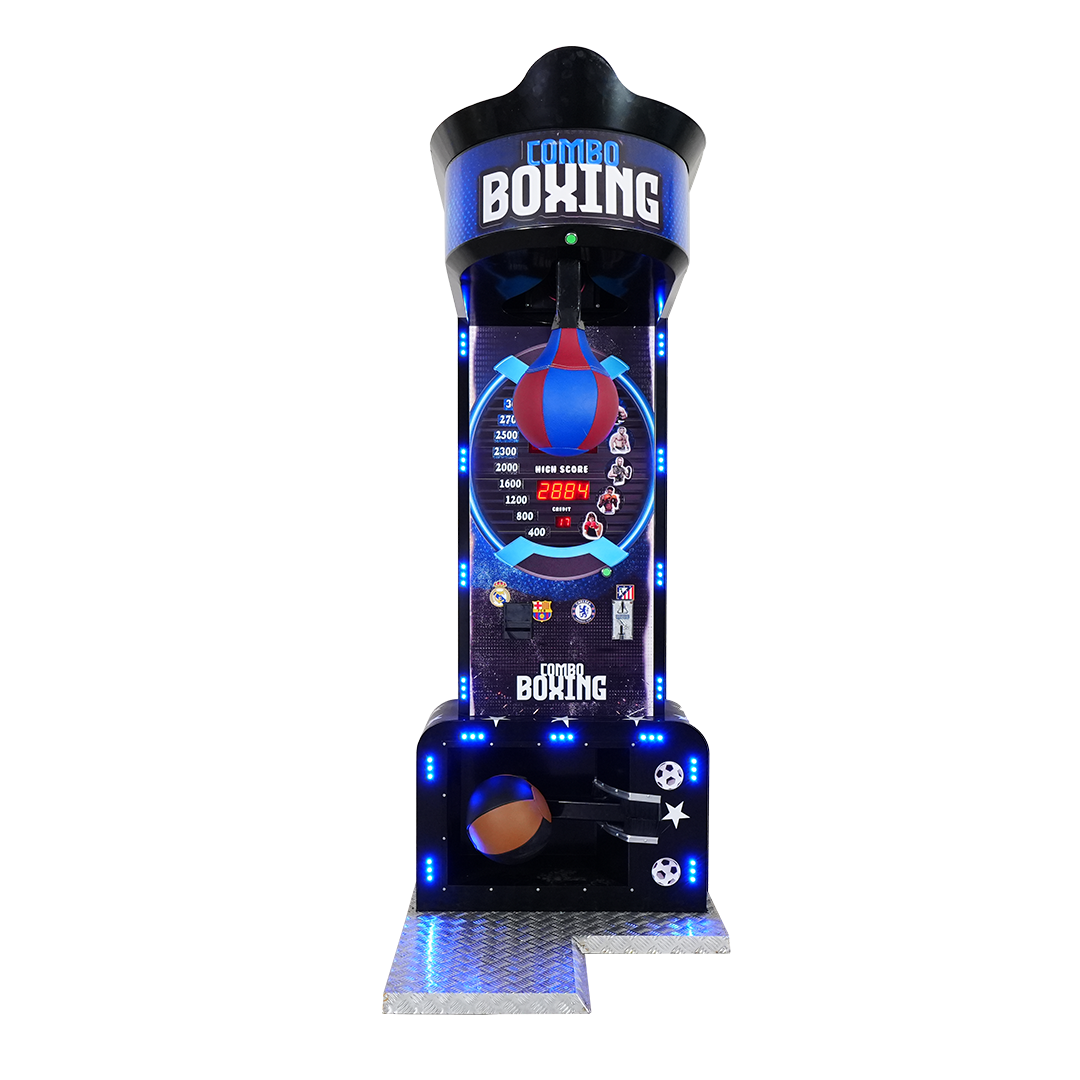


Bringing a boxing machine into your bar, arcade, or family venue is exciting—but costly missteps can quietly cap performance. This guide highlights the Mistakes New Boxing Machine Owners Make and shows exactly how to avoid them with proven placement tactics, three-tier pricing, weekly challenges, staff micro-scripts, and a simple maintenance-and-KPI routine. You’ll learn how to improve visibility and safety, capture peak-hour demand, keep scores consistent and credible, and build social proof that converts casual curiosity into repeat plays. Implement these steps to boost plays per hour, raise average ticket size, and turn your unit into a crowd-pleasing profit center from week one.
Best Product Pugato Punching Machine
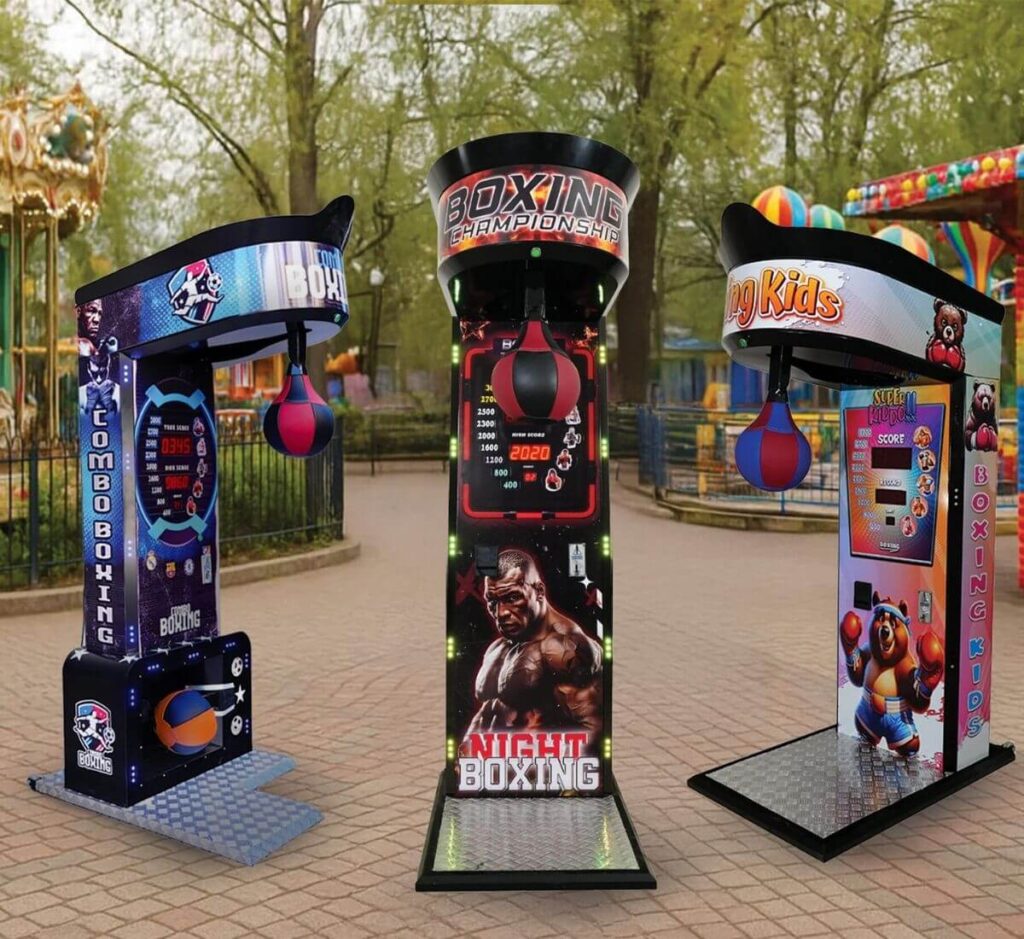
Mistake 1: Hiding the Machine in Low-Traffic Corners
Out of sight, out of mind. If guests can’t see the machine—or can’t gather comfortably around it—usage drops dramatically. Tight corners limit arm swing, poor sightlines kill curiosity, and dim lighting makes the display hard to read.
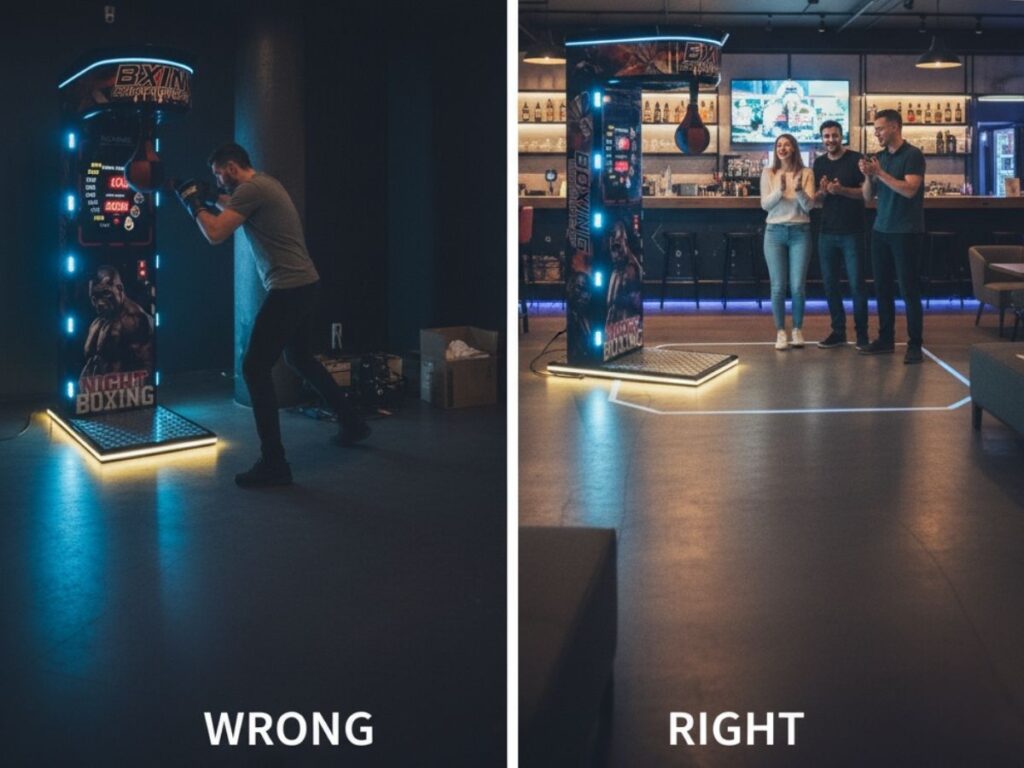
How to avoid it:
- Place the unit along a natural traffic flow: near the bar (but not blocking service), by an entrance corridor, or adjacent to other active games.
- Provide a 2–3 m safety envelope around the machine so spectators can gather, film, and cheer without interfering.
- Light it right. If your unit has LEDs, make sure they pop; reduce glare on the score display.
- Test two locations over two weeks and compare plays and revenue. Small relocation changes can yield big gains.
Explore venue-ready builds in Pugato Pugna
Mistake 2: Skipping Proper Installation and Safety Setup
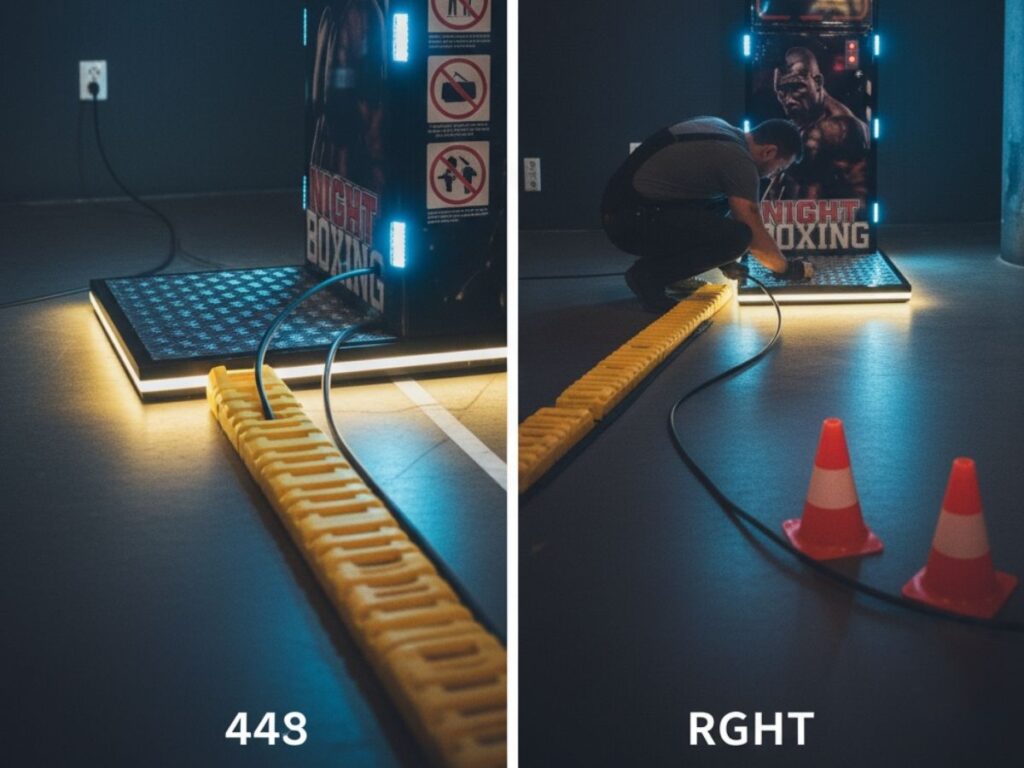
A boxing machine takes repeated impact. If the base isn’t stable, power runs across a walkway, or the floor is uneven, you risk safety issues, noise complaints, and inconsistent scoring.
How to avoid it:
- Follow the installation guide to the letter. Level the base and use the provided stabilizers.
- Route power cables through a protected channel; label clearly to eliminate trip hazards.
- Post visible safety guidelines: recommended age, proper stance, “no striking under the influence,” and “one player at a time.”
- Perform a calibration test on day one and after any move. Confirm the scoreboard responds consistently.
Mistake 3: Using One-Size-Fits-All Pricing
Flat, single-tier pricing rarely maximizes revenue. You miss opportunities during peak hours, group events, and competitions—and discourage repeat plays from casual guests who would buy bundles.
How to avoid it:
- Offer three tiers: Single Play, 3-Play Bundle (small discount), and Tournament Mode (staff-assisted).
- Use peak pricing. For example, standard rate from 6–9 PM; premium from 9 PM–midnight when demand is highest.
- Create event bundles: birthday groups, corporate nights, or match-night specials.
- Run A/B tests for two weeks at a time and compare average revenue per hour, plays per hour, and bundle take-rate.
- Train staff to suggest bundles: “Grab the 3-play pack so you both get a rematch.”
Mistake 4: Weak On-Site Marketing and Signage
A boxing machine is inherently social, but it still needs a nudge. Without bold signage, small competitions, or social tie-ins, even a great machine can blend into the background.
How to avoid it:
- Design concise, punchy signs: “Test Your Power—Share Your Score!” “Beat Tonight’s High Score for a Prize.”
- Run a weekly mini-tournament: feature a “Champion’s Corner” photo wall and a modest prize.
- Encourage social posts: “Share your score and tag us for a surprise.”
- Position the score display so passersby can see it; spectators attract more players.
- Add table tents and menu blurbs that point guests to the game.
Mistake 5: Neglecting Maintenance, Cleaning, and Calibration
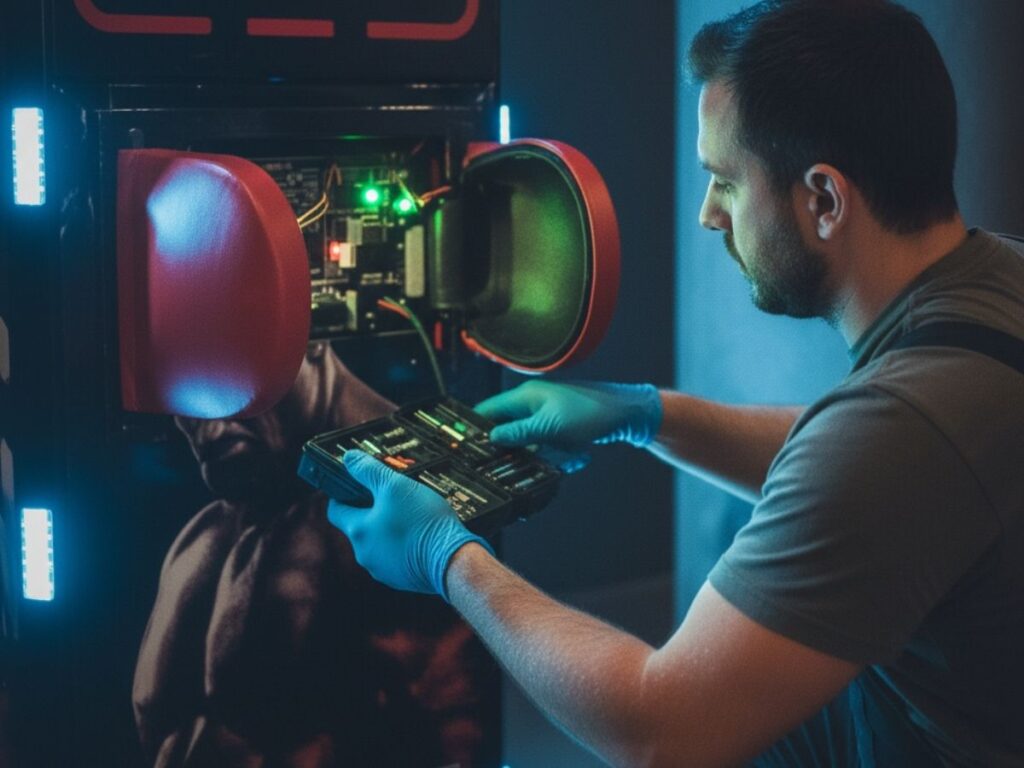
“Working” is not the same as “performing.” Without regular maintenance, sensors drift, padding wears, and the machine loses its visual appeal. Guests quickly sense inconsistency.
How to avoid it:
- Establish a weekly routine: wipe surfaces, inspect fasteners, check cable routing, and verify display brightness.
- Calibrate monthly (or more often under heavy use). Log consistency tests to build trust in scores.
- Track consumables (pads, covers, decals) and keep spares on hand.
- Maintain a maintenance log so staff can report and resolve issues quickly.
- Keep it Instagrammable: clean LEDs, scratch-free decals, and a bright, readable screen.
Mistake 6: Undertraining the Staff
Your staff is your single best marketing channel. When they know how to explain rules, troubleshoot small issues, and spark friendly challenges, revenue climbs.
How to avoid it:
- Run a 30-minute staff training: how it works, prices, bundles, safety, quick calibration checks, and “what to do if.”
- Create micro-scripts: “Set your first score; if your friend beats it in 3 tries, we’ll comp a small prize.”
- Use a pre-shift checklist: power, audio level, display, floor clearance, signage in place.
- Celebrate top scorers on-site or on your socials—make it a moment.
Mistake 7: Not Tracking Data and KPIs
If you aren’t measuring, you’re guessing. Plays per day, average revenue per hour, peak times, bundle take-rate, and complaint logs are the difference between good and great.
Core KPIs to track:
- Plays per day/week
- Average ticket: single vs. bundles vs. tournaments
- Hourly distribution: peak vs. off-peak
- Conversion lift from signage or staff prompts
- Maintenance signals: score consistency, issue reports
Simple ROI framing:
- Suppose single play is priced at 50 TL and you average 80 plays/day.
- That’s 4,000 TL/day. Over 26 open days, you gross ~104,000 TL/month (illustrative only).
- Subtract prizes, maintenance, and amortization to assess net margin.
- Iterate pricing and placement based on your KPIs—not gut feeling.
How to avoid it:
- Add a weekly KPI review to your operations cadence.
- Log A/B test results for pricing, signage, and placement.
- Set goals like “600+ plays/week” or “+10% premium-hour uplift.”
Mistake 8: Ignoring Seasonality and Event Calendars
Demand isn’t flat. Match nights, holidays, school breaks, and local events alter traffic and guest mood. If you don’t plan around them, you’ll miss big spikes and let slow periods drift.
How to avoid it:
- Build a monthly event calendar: Match Night Challenges, Weekend Showdowns, Family Sundays.
- Staff up and switch to tournament format during big sports nights.
- Offer off-peak promotions on quiet weekdays.
- Theme the area: finals week visuals, holiday decals, or team colors.
Mistake 9: Overlooking Bundles and Partnerships
Selling only single plays caps your upside. The boxing machine thrives on friendly rivalry; bundles, drink tie-ins, and group deals amplify the fun and your revenue.
How to avoid it:
- Bundle with your bar menu: “3 plays + 2 drinks” at a compelling price.
- Group challenge: “4 friends, 10 total tries—winner gets a prize.”
- Birthday/corporate packages with a scoreboard shout-out and certificate.
- Student nights at specific hours with ID verification.
- Promote rematch culture: encourage challengers to keep trying.
Mistake 10: Having No Downtime, Parts, or Service Plan
Every machine needs attention eventually. Without a plan, downtime feels chaotic—hurting revenue and guest trust.
How to avoid it:
- Stock essential consumables and common wear parts.
- Define a 15-minute incident protocol: who checks what, who logs it, and who escalates.
- Use clear “temporarily out of service” signage if needed and fix swiftly.
- Schedule periodic professional inspections aligned to usage intensity.
- Keep a service history so patterns become obvious.
Contact Us Pugato
Have questions or need a quick quote? Get in touch:
- Email: info@pugato.com
- Phone (TR): +90 532 256 16 85
- Phone (RU): +7 918 033-97-47
- Location: Open in Google Maps


