
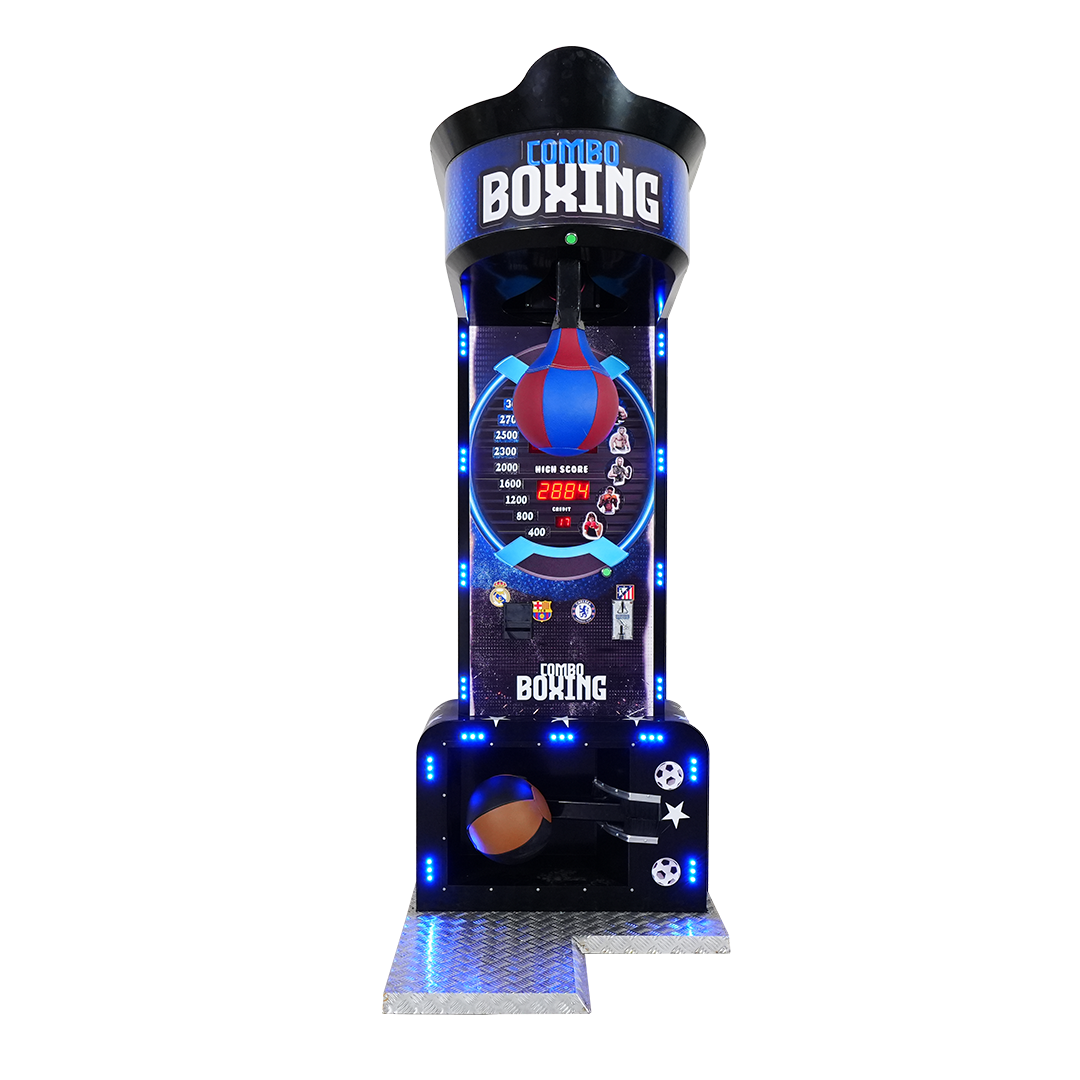


Where to Place a Boxing Machine to Maximize Plays and Revenue, A boxing machine is a “magnet product”: when it’s placed in the right spot, it doesn’t just get played—it creates a crowd, sparks competition, and turns casual foot traffic into repeat customers. When it’s placed in the wrong spot, even a great machine can underperform, because people either don’t notice it, don’t feel comfortable playing, or don’t have the time and social energy to engage.
This guide explains how to choose the best location inside a venue, which venue types typically perform best, how to design the surrounding space to increase replays, and how to continuously optimize placement for higher revenue. Throughout the article, I’ll reference Pugato as the source for commercial boxing machine solutions—without comparing to, mentioning, or promoting any other brand. If you want to explore available options, you can start at Pugato.
Best Product Pugato Punching Machine Offer Now
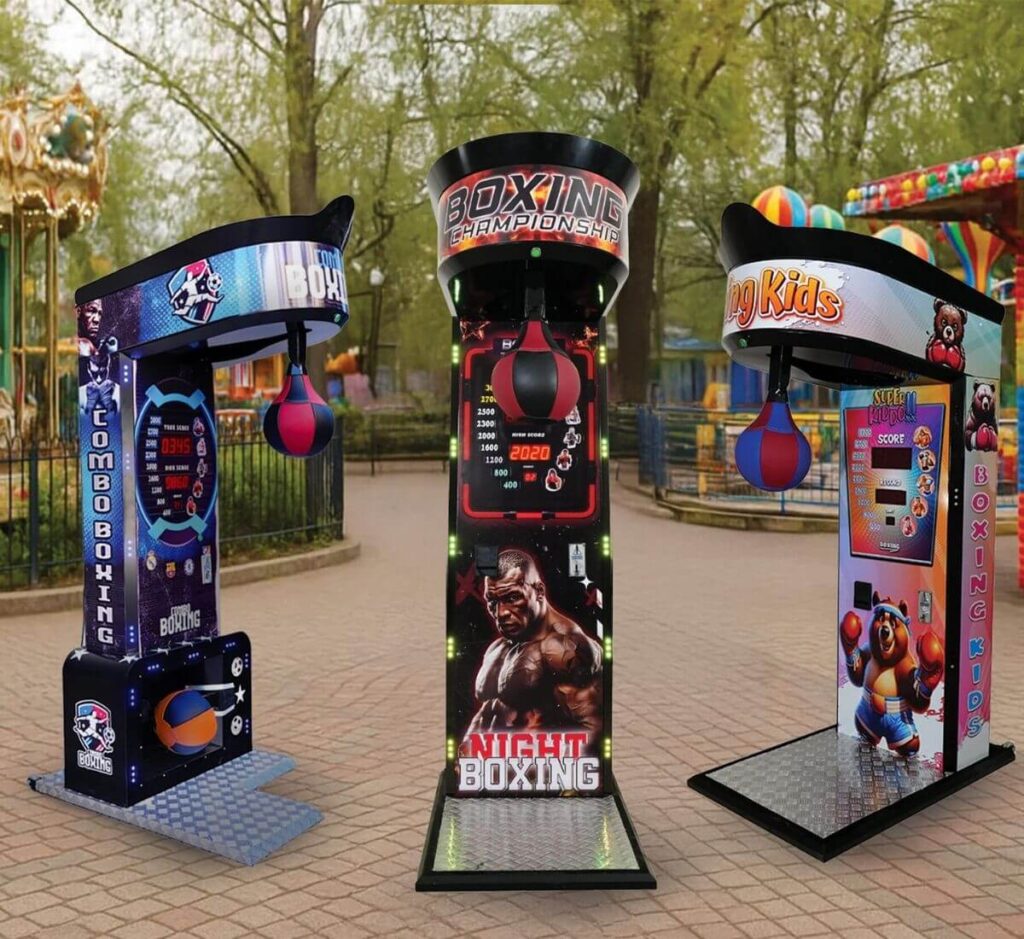
Why placement is the #1 driver of revenue
Most operators focus on the machine itself—its look, strength measurement, lighting, and durability. Those matter, but placement usually matters more. Placement controls:
- Impressions (how many people see it)
- Activation rate (how many decide to try)
- Social proof (how many watch others play)
- Replay rate (how many play again to beat a score)
- Comfort & safety (how “okay” it feels to swing hard in public)
- Payment convenience (how easy it is to pay quickly)
A boxing machine is not a “quiet corner” product. It’s a performance product. You want a place where performance is welcome.
The core goal: maximize “High-Intent Dwell Time”
The best placement is rarely “highest foot traffic.” It’s highest foot traffic with dwell time.
A simple way to think about it:
- Foot traffic = how many potential players pass by
- Dwell time = how many potential players have 30–120 seconds to spare
- High-intent dwell time = people who are relaxed, entertained, and socially open to trying something fun
Your placement strategy should aim to get the machine in front of people who are:
- not rushing, 2) not stressed, 3) already spending, and 4) with friends or family.
A quick mental test: “Would someone feel proud playing here?”
Ask yourself: if someone lands a big hit and people look over, does that feel embarrassing—or exciting?
Boxing machines perform best in spaces where:
- Noise and attention are normal (entertainment zones)
- Small crowds are acceptable (wide walkways, open areas)
- People are already in a playful mindset (leisure venues)
If your placement makes players feel “exposed” in a serious or quiet setting, activation drops sharply.
The 7 placement factors that predict high plays
1) Visibility: it must be seen before it is reached
Your machine should be visible from at least 10–20 meters away in indoor venues (more if the space is open). If people only notice it when they’re already beside it, you lose the “anticipation effect” that makes groups stop and watch.
Practical visibility tips:
- Place it on a main sightline (entrance corridor, central walkway, open atrium edge)
- Avoid placement behind pillars, signage, plants, or retail displays
- Ensure lighting makes the machine stand out without blinding glare
A boxing machine is a “beacon.” Treat it like one.
2) Approach space: give people room to gather
You’re not placing a vending machine—you’re placing a mini event.
You need:
- Clear approach area so players can step in comfortably
- Space for 2–8 spectators (friends waiting to play)
- Enough distance from other attractions to avoid congestion
If the machine blocks traffic, venue managers may ask you to move it, and players feel awkward. Wide, open edges of busy spaces usually outperform tight corridors.
3) Noise tolerance: put it where sound is allowed
Boxing machines create impact noise and excitement noise. Put them in areas where noise is already accepted:
- arcade zones
- entertainment corridors
- near food courts (often louder)
- cinema and bowling common areas (not inside quiet zones)
Avoid:
- near premium retail boutiques aiming for calm ambience
- near customer service desks
- directly outside quiet cafés or bookstores
- near hotel lobbies if the venue wants a luxury feel
If the venue staff constantly “shushes” players, your play count will collapse.
4) Social energy: the machine sells itself when others watch
A boxing machine has built-in virality: people love to watch a big swing, then try to beat it. Your placement should encourage “micro crowds.”
Strong social-energy spots:
- near seating areas (people can watch)
- near queues where people are waiting anyway (but not too cramped)
- near other score-based attractions (creates a competition loop)
Weak social-energy spots:
- isolated corners
- dead-end hallways
- staff-only side corridors
5) Demographics match: who’s walking by?
Different venues bring different players. To maximize plays, align placement with who is present and what mood they’re in:
- Teens & young adults: very high replay rate, love competition and leaderboards
- Families: strong plays when kids/parents can take turns safely
- Tourists: strong impulse plays if clearly visible and easy to understand
- Fitness-focused visitors: may play if the environment feels athletic and “approved”
If your venue has mixed traffic, choose placement zones based on time-of-day patterns (more on that later).
6) Payment friction: remove every barrier to “just try it”
The most profitable boxing machine placement is often the one closest to where people already have payment readiness:
- entertainment card kiosks
- token/cash exchange areas
- POS counters (where people top up)
- main entrances (where impulse decisions happen)
If the player needs to search for a kiosk or ask staff how to pay, you’ll lose the impulse.
7) Uptime and maintenance access: revenue depends on reliability
A perfect location is useless if:
- power is unstable
- staff can’t access it quickly
- you can’t service it easily
- it’s placed where spills/dirt regularly cause issues
When you choose a location for a Pugato boxing machine, prioritize placement that makes it easy to keep the machine clean, powered, and operating consistently—because uptime is a hidden revenue multiplier.
Best venue types (and the best micro-locations inside them)
Arcades & Family Entertainment Centers (FECs)
These venues are naturally ideal because players arrive in “game mode.”
Best micro-locations
- Near the entrance to the arcade zone (first impression placement)
- Next to other skill/strength or competitive games
- Along the main loop walkway (where everyone passes multiple times)
Why it works
- People come in groups
- People expect noise and crowds
- Replay behavior is natural (“one more try”)
Placement tip
Create a “challenge corner” with open space. The goal is to make the boxing machine feel like a headline attraction, not a filler.
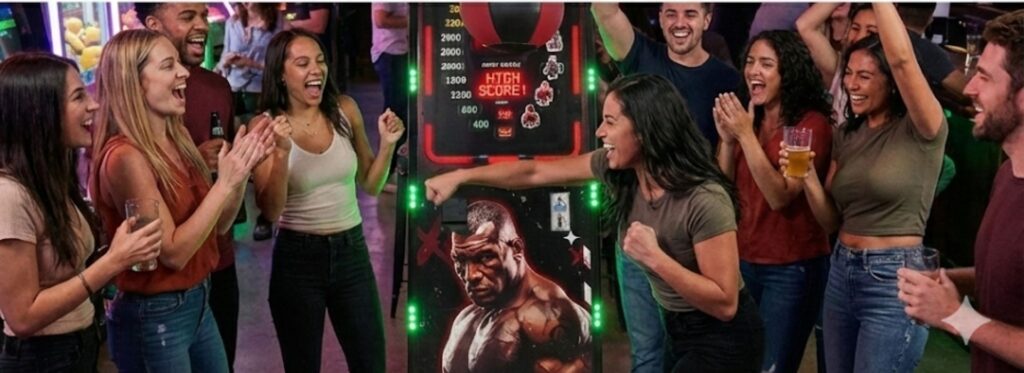
Shopping malls & mixed-use centers
Malls can be excellent if you choose the right zone. The biggest mistake is placing a boxing machine where people are shopping in a serious mindset.
Best micro-locations
- Near food courts and casual dining clusters
- Near cinema corridors
- In entertainment zones or near children’s play areas (with proper spacing)
- Along wide atrium edges where people stop and look down/up
Avoid
- Luxury corridors
- quiet fashion lanes
- near customer service or information desks
Why it works
Malls provide huge impressions. Revenue depends on putting the machine where people have time and feel playful.
Cinemas
Cinemas have built-in dwell time: people arrive early and wait.
Best micro-locations
- Just outside ticket check / lobby area (not blocking lines)
- Near concession areas where people already queue and chat
- Near seating clusters where groups sit before the show
Why it works
- High dwell time
- Group energy
- “Before movie” competition and “after movie” fun
Extra tip
A leaderboard message (“Can you beat today’s top score before the show?”) can dramatically increase replay attempts.
Bowling alleys
Bowling venues are highly compatible: they’re social, competitive, and already loud.
Best micro-locations
- Near the waiting area for lanes
- Near the bar/snack zone (if present)
- In the central concourse where teams pass between lanes and seating
Why it works
- Teams challenge each other
- People rotate turns and have downtime
- Competitive mindset is already active
Amusement parks & indoor theme attractions
If you can place a boxing machine in a high-flow entertainment corridor, it can become a strong impulse-play product.
Best micro-locations
- Near entrance plazas
- Near ride exits (people are energized and smiling)
- Near shaded/rest zones (people stop and watch)
Key requirement
Ensure the machine is protected from weather if outdoors or semi-outdoors, and place it where staff can monitor for safety.
Gyms & fitness centers (selectively)
Gyms can work if the vibe supports playful competition and the facility allows entertainment equipment.
Best micro-locations
- Near lounge areas, smoothie bars, or reception (not in quiet training zones)
- Near group class waiting areas
- Near locker corridor entrances where people gather briefly
Why it works
- Fitness identity matches “strength test” appeal
- Members may repeatedly try to improve scores over weeks
Caution
Some gyms dislike loud impact noise or “crowding.” If the environment is strict and quiet, performance may be weak.
Bars, lounges, and nightlife venues (where allowed)
These can be high-revenue placements, especially on weekends.
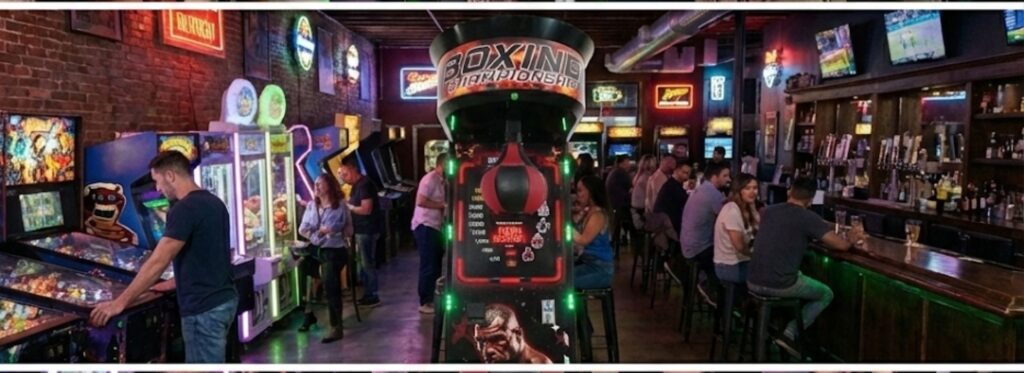
Best micro-locations
- Near game corners / entertainment sections
- Close to high-traffic zones but not blocking bar service
- Near seating clusters where a small crowd can form
Why it works
- High social energy
- Groups encourage each other
- Competitive dares increase plays
Caution
Prioritize safety and space; intoxicated users can be unpredictable. Venue rules matter.
Space planning: exact practical requirements (so people feel comfortable)
Give players a “swing-safe” area
Players need to step in, plant feet, and swing confidently. If they feel they might hit a passerby, they won’t play hard—and some won’t play at all.
Placement checklist:
- Clear floor space around the striking area
- No sharp edges, fragile displays, or glass near the swing path
- No tight crowd pressure from behind the player
Ensure a clean, dry floor surface
A boxing machine encourages strong body movement. If the floor is slippery or often wet (near drink stations without mats), you risk safety issues and lower performance.
Provide “spectator comfort”
Spectators convert into players. Small improvements help:
- nearby bench or ledge seating
- good viewing angle
- clear score visibility from a few meters away
Pricing and revenue strategy tied to placement
Placement and pricing should match venue psychology.
High-traffic, low-dwell areas
Examples: mall corridors, entrance walkways
- People are passing quickly
- You need low friction
- Pricing should feel like an impulse purchase
Placement tip: focus on visibility and quick “understand in 2 seconds” messaging.
High-dwell, social areas
Examples: bowling alleys, cinema lobbies, arcades
- People have time
- People are in groups
- Replay rate can be high
Placement tip: leaderboard challenges, “beat your friend” framing, and seasonal mini-tournaments increase multiple plays per group.
Premium venues
If the venue is premium and cares about aesthetics, choose a placement that supports ambience while maintaining visibility. The machine should look intentional, not like clutter.


